[
BLOG
]


Paid advertising campaigns that underperform almost always have the same diagnosis: the targeting was too broad, the creative was not specific enough, or the landing page did not deliver on what the ad promised. These are real problems but they are symptoms rather than causes. The underlying cause, in the majority of cases, is inadequate planning before the campaign launched. The decisions that determine whether a paid campaign succeeds or fails are mostly made before a single pound is spent, and businesses that do not spend enough time on those decisions pay for it in wasted budget and disappointing results.
The useful detail here is that marketing works better when the channels support one clear commercial goal. The website, content, social activity, campaigns and reporting should not feel like separate jobs. That is how we approach our campaign strategy service, and it is visible in our work with Pro Project Promotions.
Campaign planning is not simply deciding what to promote and choosing a platform. It involves answering a set of questions that most businesses skip because they want to get to the execution. Who specifically are we trying to reach, and what do we know about what motivates them? What does the person we are targeting need to believe before they will take action? What is the most persuasive thing we can say to them given where they currently are in their decision making process? What does success look like, measured in a way that connects back to actual business value rather than just platform metrics?
Defining the Audience With Enough Specificity to Be Useful
The most common targeting mistake in paid advertising is defining the audience too broadly. "Business owners in the South East" is a targeting parameter. "Operations managers at manufacturing businesses with between twenty and two hundred employees, primarily based in the Home Counties, who are currently dealing with compliance pressures they do not have the internal resource to manage" is an audience. The difference between these two descriptions determines whether your creative can be genuinely resonant or whether it has to be generic enough to mean something to anyone.
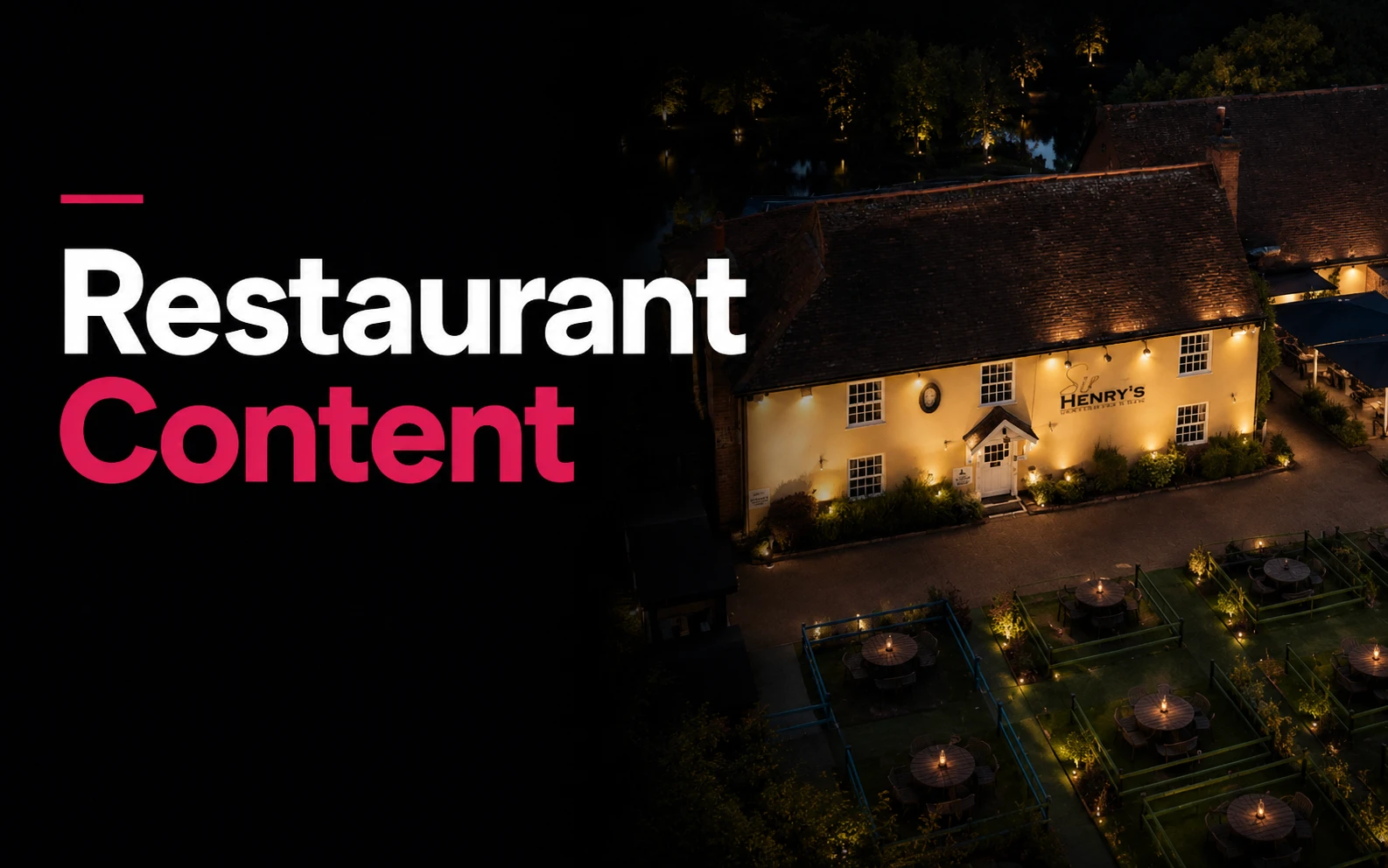
The Barn at Sir Henry's is a wedding venue in Essex. The Meta Ads we run for them target couples in the early stages of planning, not just people actively shortlisting. Getting in front of the right audience before they have already made a decision changes how their whole pipeline looks.
Specificity in audience definition forces specificity in creative. When you know exactly who you are talking to and what their situation is, you can write an ad headline that speaks directly to their experience. You can choose imagery that reflects their world. You can make an offer that addresses exactly the problem they are trying to solve. Generic targeting produces generic creative because the only things you can say that are relevant to everyone in a broad audience are the things that are not specific enough to be compelling to anyone.
This does not mean you can never run campaigns to broader audiences. Awareness campaigns at the top of the funnel necessarily reach a wider group. But even awareness campaigns benefit from audience definition that is more precise than platform defaults. Understanding the demographic, psychographic and behavioural characteristics of your best customers, and using that understanding to shape your targeting parameters, produces better results at every stage of the funnel.
The Landing Page Is Part of the Campaign
One of the most frequently overlooked elements in campaign planning is the destination. Businesses spend significant time and money on ad creative and targeting, then send the traffic to their homepage or a generic service page. The homepage is designed to orient visitors who could be arriving with any number of intents. It is almost never the most effective destination for a paid campaign targeting a specific audience with a specific message.
A campaign has a specific promise. It says something specific to a specific person and implies a specific next step. The page that person arrives on should fulfil that promise directly and immediately. It should echo the message from the ad, address the specific need or concern that the ad spoke to, and make the next step obvious and easy. When there is a mismatch between the ad and the landing page, visitors leave quickly, conversion rates suffer, and Quality Scores on the platforms decline, which increases cost per click and compounds the problem.
Planning the landing page as part of campaign planning rather than as an afterthought means considering what the visitor needs to see and believe in order to take the desired action, and then building or adapting a page that provides exactly that. This does not always require a purpose built landing page. Sometimes an existing page, edited to more closely match the campaign messaging, is sufficient. But the decision about what that page should say and how it should be structured belongs in the planning phase, not after the campaign has launched.
Setting Measurement Frameworks Before Spending
Campaigns without clear measurement frameworks tend to be evaluated on whichever metrics happen to look best, which is rarely an honest assessment of whether the campaign achieved anything meaningful for the business. Setting up measurement before launch forces clarity about what the campaign is actually trying to achieve and whether you have the tools in place to know whether it worked.
This starts with defining what counts as a conversion for this specific campaign. If the campaign goal is to generate enquiries, is a contact form submission a conversion, a phone call, a calendar booking? Each of these requires different tracking setup. If the goal is to drive sales, is the platform attribution model accurately reflecting the actual customer journey, or is it overcounting conversions by taking credit for sales that would have happened anyway?
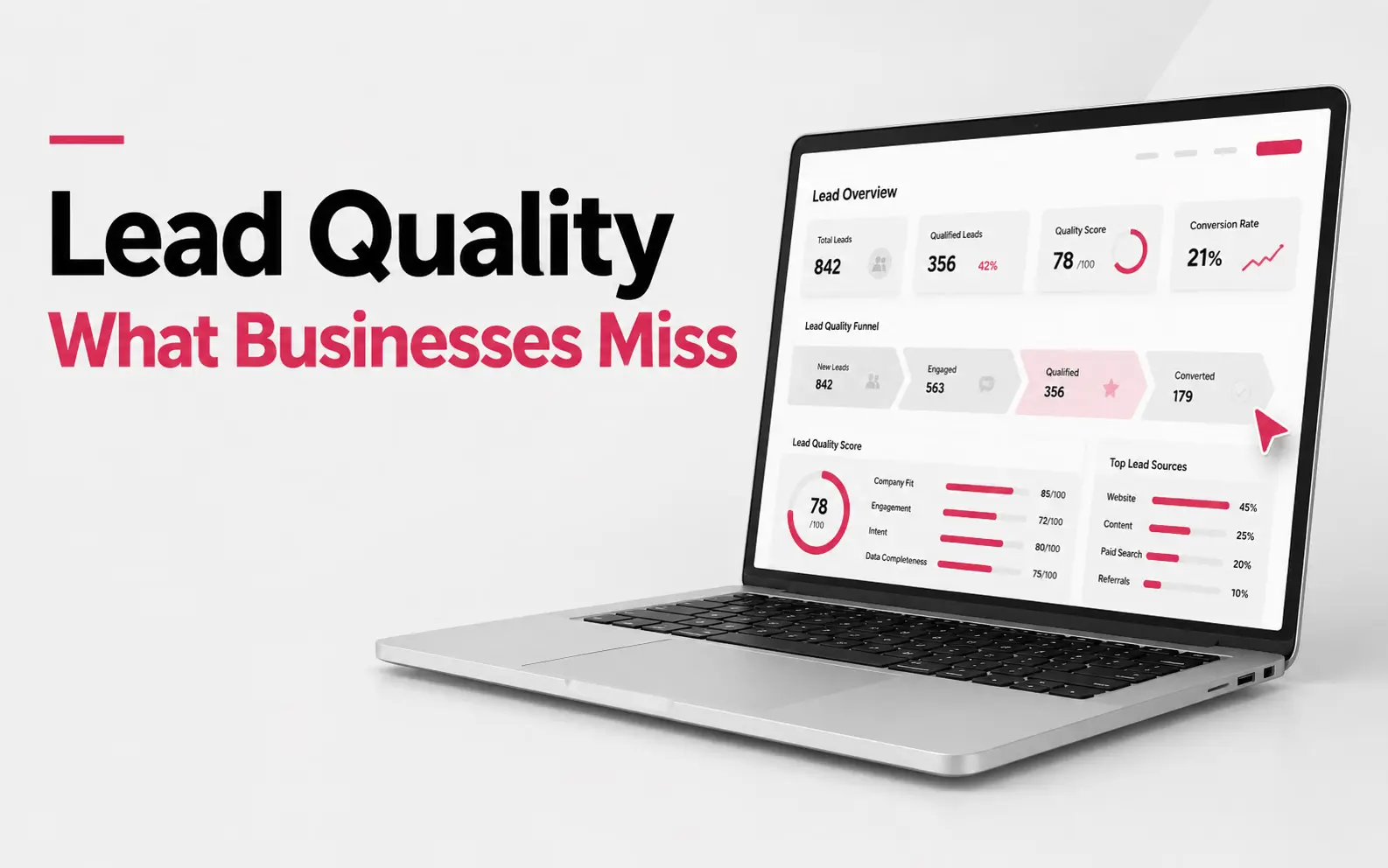
Beyond conversion tracking, thinking in advance about how you will evaluate lead quality rather than just lead volume prevents the common situation where a campaign appears to be performing well on platform metrics but is generating enquiries from people who are not a fit for the business. Tracking the quality of what comes through, not just the quantity, is what allows you to make genuinely informed decisions about whether to continue, adjust or stop a campaign. That tracking discipline, built into the planning phase, is what separates businesses that get progressively better at paid advertising from those that cycle through campaigns without learning from them.
If your marketing needs a clearer plan, start with our campaign strategy service and digital marketing service. Relevant examples include our work with Pro Project Promotions and Heron Country Club.
[
GET INFORMED
]
Our blog is a hub for insights, tips, and industry trends in digital marketing and social media.